In the heart of the Golden State, amidst its breathtaking landscapes and vibrant communities, there exists a darker reality that often goes unnoticed—the pervasive issue of sex trafficking. California ranks among the top states in the United States for reported cases of human trafficking, with victims spanning diverse backgrounds, ages, and socioeconomic statuses.
Survivors often face immense challenges on their path to recovery and reintegration into society. Recognizing the critical need for support and rehabilitation, various organizations have developed programs tailored to aid California sex trafficking survivors in their fights.
The human toll behind this problem is immeasurable, with survivors grappling not only with the physical and emotional scars of exploitation but also with the daunting task of rebuilding their lives. As such, the importance of dedicated programs and initiatives aimed at supporting survivors cannot be overstated.
These programs not only provide a lifeline for those who have experienced the unimaginable but also contribute to human trafficking prevention, promoting a society where the rights and dignity of every individual are protected. In this blog, we shed light on some of the exemplary programs that are making a significant impact in aiding California sex trafficking survivors on their journey to healing and empowerment.
In particular, we will explore:
- California sex trafficking challenges
- What can survivors do?
- Legal services for victims of sex trafficking
California Sex Trafficking Challenges
California’s prominence as a hub for sex trafficking and sexual violence can be attributed to a combination of geographical, economic, and demographic factors. The state’s vast size, diverse population, and extensive network of highways and transportation hubs make it an attractive location for traffickers seeking to exploit vulnerable individuals. Additionally, the state’s robust economy, with thriving industries such as agriculture, technology, and entertainment, provides ample opportunities for both legal and illicit activities.
- Geography and Infrastructure: California’s extensive and interconnected transportation infrastructure, including major highways, ports, and airports, facilitates the movement of traffickers and victims across the state and beyond. The proximity to international borders, particularly with Mexico, adds to the complexity of trafficking routes.
- Economic Disparities: The economic disparities within California contribute to the vulnerability of certain populations. Traffickers often target individuals facing financial hardships, offering false promises of employment or a better life. This exploitation preys on the desperation of those seeking economic opportunities, often leading to labor trafficking and involuntary servitude.
- Population Diversity: California’s diverse population, which includes a significant number of immigrants, creates a pool of potential victims who may be unfamiliar with their rights, fearful of law enforcement, or lacking a support system and identification documents. Traffickers exploit language barriers and cultural differences to further isolate and control their victims.
- Entertainment and Tourism Industry: The state’s thriving entertainment and tourism industries attract people from around the world, creating opportunities for traffickers in this criminal industry to exploit individuals seeking employment, fame, or a new life. The transient nature of these industries makes it easier for traffickers to operate discreetly.
- High Demand for Commercial Sex: California’s status as the most populous state in the U.S. contributes to a high demand for commercial sex, both locally and regionally. Traffickers exploit this demand, trafficking individuals to meet the needs of the underground sex industry.
In response to these challenges, various government agencies, nonprofits, and advocacy groups in California are working tirelessly to raise awareness, enhance law enforcement efforts, and provide comprehensive support for survivors. Addressing the multifaceted nature of sex trafficking requires a concerted effort from both the public and private sectors to create a safer and more secure environment for vulnerable individuals.
What Programs can California Sex Trafficking Survivors Join?
California, being a hotspot for reported cases of sex trafficking, has witnessed the emergence of a variety of programs and support groups dedicated to bringing the best rehabilitation available to survivors of human trafficking on their path to recovery. Both government and private organizations have played pivotal roles in creating comprehensive initiatives that address the multifaceted needs of human trafficking survivors, offering a combination of therapeutic, vocational, and legal support.
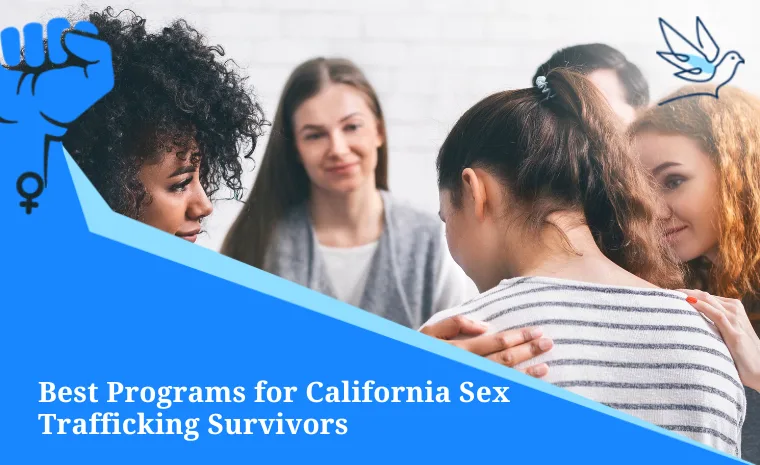
Survivor Leadership Program
As a leading nonprofit organization, CAST (Coalition to Abolish Slavery & Trafficking) has been at the forefront of providing comprehensive assistance to survivors. Their Survivor Leadership Program empowers survivors to become advocates, offering leadership training and support. CAST’s services include housing assistance, legal advocacy, and mental health support, emphasizing survivor-centered, trauma-informed care.
Programs from the California Department of Justice Human Trafficking Unit
The DOJ’s Human Trafficking Unit stands as a formidable force in the fight against sex trafficking. Through the unit’s efforts, survivors gain access to a range of services, including legal advocacy, counseling, and resources aimed at rebuilding their lives. The DOJ collaborates with various agencies and nonprofits to ensure a holistic approach to survivor support.
HEAT Watch Program
The Human Exploitation and Trafficking or HEAT Watch Program, led by the California Attorney General’s Office, focuses on preventing and combating human trafficking. This includes a range of initiatives such as training for law enforcement, public awareness of sex trafficking, and rehabilitation available to survivors of human trafficking. The program’s collaborative efforts bring together various stakeholders to address the complex issue at its roots.
The synergy between government agencies and private organizations creates a dynamic support system for California sex trafficking survivors. These programs not only address immediate needs but also focus on the long-term well-being and empowerment of survivors, fostering a community that stands resilient against the pervasive issue of sex trafficking.
Legal Services for Victims of Sex Trafficking
Navigating the legal complexities of sex trafficking cases can be daunting for survivors, but seeking the assistance of a lawyer is a crucial step toward obtaining justice and reclaiming one’s life. In California, a range of legal options and resources exist to support victims, and having a knowledgeable attorney by your side can make a significant difference.
- California Human Trafficking Laws: Understanding the nuances of California’s human trafficking laws is essential, and an experienced attorney can guide survivors through the legal landscape. A lawyer can explain the provisions of laws like the California Trafficking Victims Protection Act and the CASE Act, ensuring survivors are aware of their rights and the legal remedies available.
- Legal Aid and Advocacy Organizations: Legal aid organizations, such as the Coalition to Abolish Slavery & Trafficking (CAST), offer specialized legal services to trafficking survivors. These services may include assistance with obtaining restraining orders, pursuing civil litigation against traffickers, and navigating the criminal justice system. A lawyer from such organizations can provide survivors with invaluable legal support.
- T Nonimmigrant Status (T Visa): The process of applying for a T Visa can be intricate, and survivors may benefit from legal representation to ensure a thorough and successful application. An immigration attorney with expertise in trafficking cases can help survivors understand the eligibility criteria and guide them through the application process.
- Federal Laws and Agencies: Federal agencies such as the FBI and DHS play a significant role in trafficking investigations. A lawyer with experience in federal law can collaborate with these agencies, ensuring survivors’ rights are protected and advocating for their interests throughout the legal proceedings.
- California Trafficking Victims Compensation Board (CATVCB): Legal representation is invaluable when applying for financial assistance through CATVCB. An attorney can assist survivors in preparing the necessary documentation, making a compelling case for compensation, and navigating any legal challenges that may arise during the process.
Survivors are encouraged to seek legal representation as early as possible in their journey toward justice and recovery. A lawyer specializing in trafficking cases can provide personalized guidance, advocate for survivors’ rights, and serve as a compassionate ally throughout the legal process. The collaborative efforts of survivors and dedicated legal professionals are essential in dismantling trafficking networks, holding perpetrators accountable, and fostering a society where survivors can rebuild their lives with dignity and support.
Things Can Get Better
The multifaceted nature of sex trafficking in California, exacerbated by geographical, economic, and demographic factors, underscores the critical need for comprehensive solutions. The prevalence of this crime in plain sight highlights the urgency for dedicated programs that address the physical, emotional, and economic challenges faced by survivors. Government agencies, nonprofits, law firms and advocacy groups exemplify the collaborative efforts necessary to support survivors on their path to healing and empowerment.
The interplay between government initiatives and private organizations creates a dynamic and resilient support system, emphasizing survivor-centered, trauma-informed care. Legal avenues, including understanding California’s human trafficking laws and legal rights, accessing legal aid organizations, and leveraging federal laws and agencies, offer survivors crucial paths to justice and recovery.